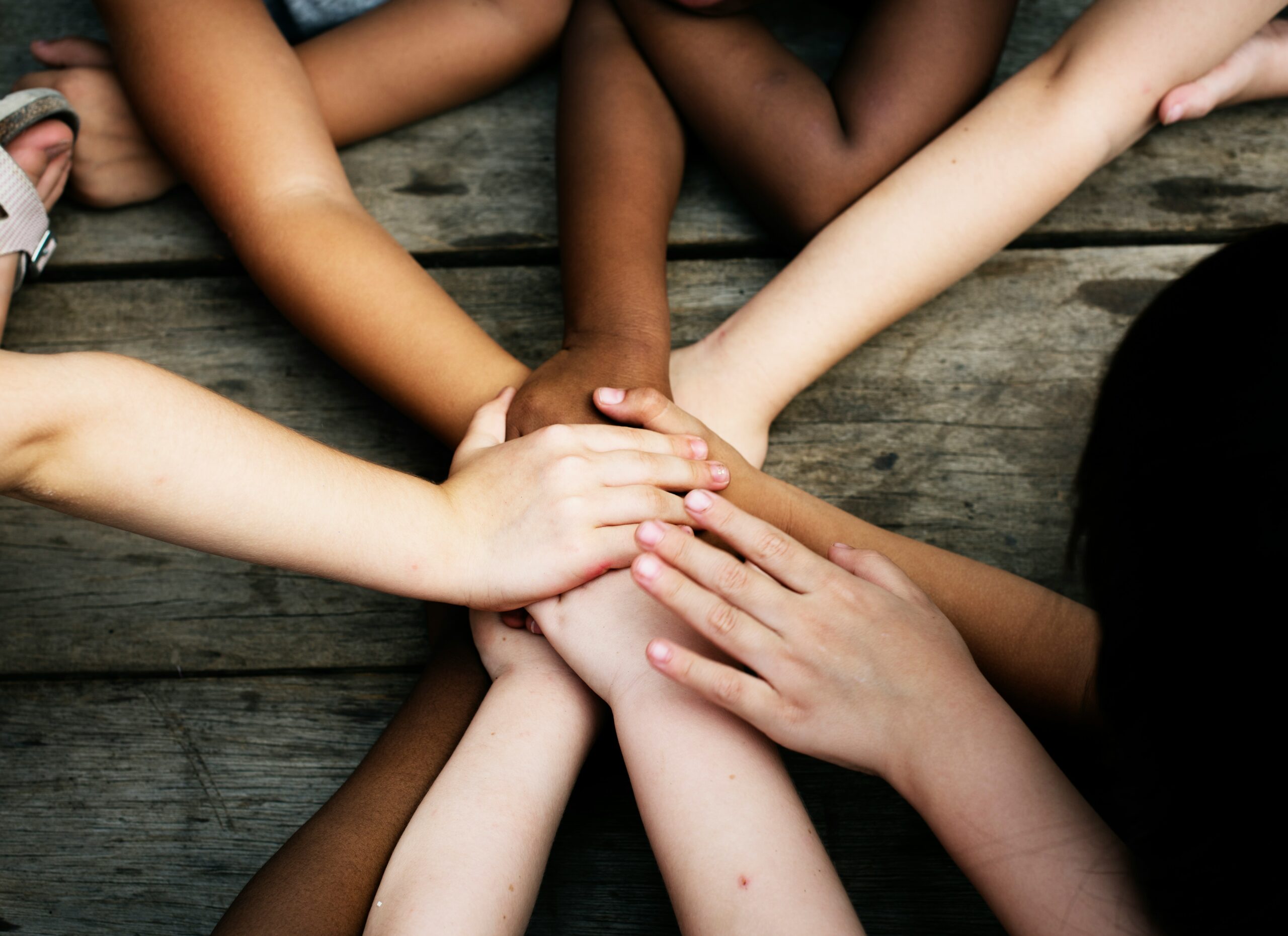
Social justice is an essential pillar for creating a fair and equal society. Today, the focus on social justice is crucial as many individuals still face disparities in access to opportunities, wealth, and rights. Bridging these equity and opportunity gaps is key to ensuring that every person, regardless of background, can thrive. This article explores the current state of social justice, emphasizing the importance of addressing inequities in education, healthcare, and economic opportunity to create lasting positive change.
Understanding the Concept of Social Justice
Social justice means creating a society where everyone has equal access to opportunities, resources, and rights. It is about addressing systemic inequities and ensuring that all people are treated fairly and with respect. Social justice involves values such as fairness, equality, and respect for human dignity, aiming to reduce disparities and promote equality.
Social justice also calls for redistributing power and resources. This process seeks to balance the system, ensuring marginalized communities have access to education, healthcare, and economic stability. It’s about creating structures that prevent inequities and ensure every person has the tools they need to succeed.
The Role of Education in Achieving Social Justice
Education is a key part of bridging equity and opportunity gaps. Access to quality education is one of the most powerful tools for promoting social justice. It helps individuals improve their lives and break the cycle of poverty. Yet, many marginalized communities face disparities in educational quality. Location, background, and race can influence the education a person receives, creating a divide that impacts future opportunities.
To achieve social justice through education, it’s essential to address these inequities. This means investing in schools in underserved areas. It also means providing access to qualified teachers and resources. Education should be inclusive, promoting diversity and providing equal opportunities for all students. By ensuring fair access to education, we can level the playing field and break down barriers to success.
Healthcare Equity and Its Impact on Social Justice
Healthcare equity is a core component of social justice. Every person should have the right to access quality healthcare. However, many people face limitations due to socioeconomic factors, geographic location, and systemic biases. Healthcare disparities can lead to worse health outcomes for marginalized communities, which only increases inequities in wealth and opportunity.
Addressing healthcare disparities involves making healthcare affordable and accessible to all. It’s also essential to focus on social determinants of health, such as housing and nutrition. Eliminating racial and ethnic disparities in healthcare is another crucial step. Through policy changes and raising awareness of systemic issues, we can create a fairer healthcare system. A healthy population is the foundation for achieving social justice and equal opportunities.
Economic Opportunity and the Path to Social Justice
Economic opportunity is critical to achieving social justice. All people should have the ability to pursue economic independence and contribute to society, regardless of their background. Unfortunately, many face barriers like wage inequality, discrimination, and lack of access to resources. These barriers disproportionately affect marginalized groups, including people of color, women, and those from low-income backgrounds.
To reduce these economic gaps, policies must focus on promoting equal pay and supporting small businesses. Job training programs are essential to ensure everyone can find meaningful work. Ensuring equal access to economic resources is a key part of social justice. When everyone has opportunities to succeed, society as a whole prospers.
The Role of Government and Policy in Promoting Social Justice
Governments have a vital role to play in promoting social justice. They create laws and programs that ensure fairness and opportunity for all. These laws should address systemic discrimination, provide social safety nets, and create economic opportunities for disadvantaged groups. Governments can also encourage private-sector involvement in social justice initiatives through grants and partnerships.
Effective policies should focus on areas like affordable housing, healthcare, and education. These are foundational to achieving social justice. Governments should prioritize marginalized communities and ensure their voices are heard in policymaking. By creating policies that promote equity, governments can help create a more just and inclusive society.
Empowering Communities Through Grassroots Movements
Grassroots movements have been key to advancing social justice. These movements often start within the communities most affected by inequality. They serve as a powerful tool for creating change by amplifying the voices of marginalized groups. Grassroots organizations raise awareness, mobilize people, and advocate for systemic changes.
These movements are often the driving force behind policy reform. They push governments and institutions to address the root causes of inequality. Grassroots organizations also provide direct support to communities. They offer legal aid, advocacy, and educational programs that help bridge equity and opportunity gaps. Empowering communities through grassroots efforts is crucial for achieving lasting social justice.
The Path Forward: A Collaborative Approach to Social Justice
Achieving social justice requires collaboration. Various stakeholders governments, businesses, nonprofits, and individuals must work together. Each group has a role in ensuring equity and opportunity for everyone. Collaboration leads to innovation, resource-sharing, and a unified approach to tackling social issues.
By working together, we can address the interconnectedness of issues like education, healthcare, and economic opportunity. Partnerships that focus on long-term solutions can bridge the gaps that sustain inequality. A collective effort ensures that no one is left behind, creating a more just society for all.