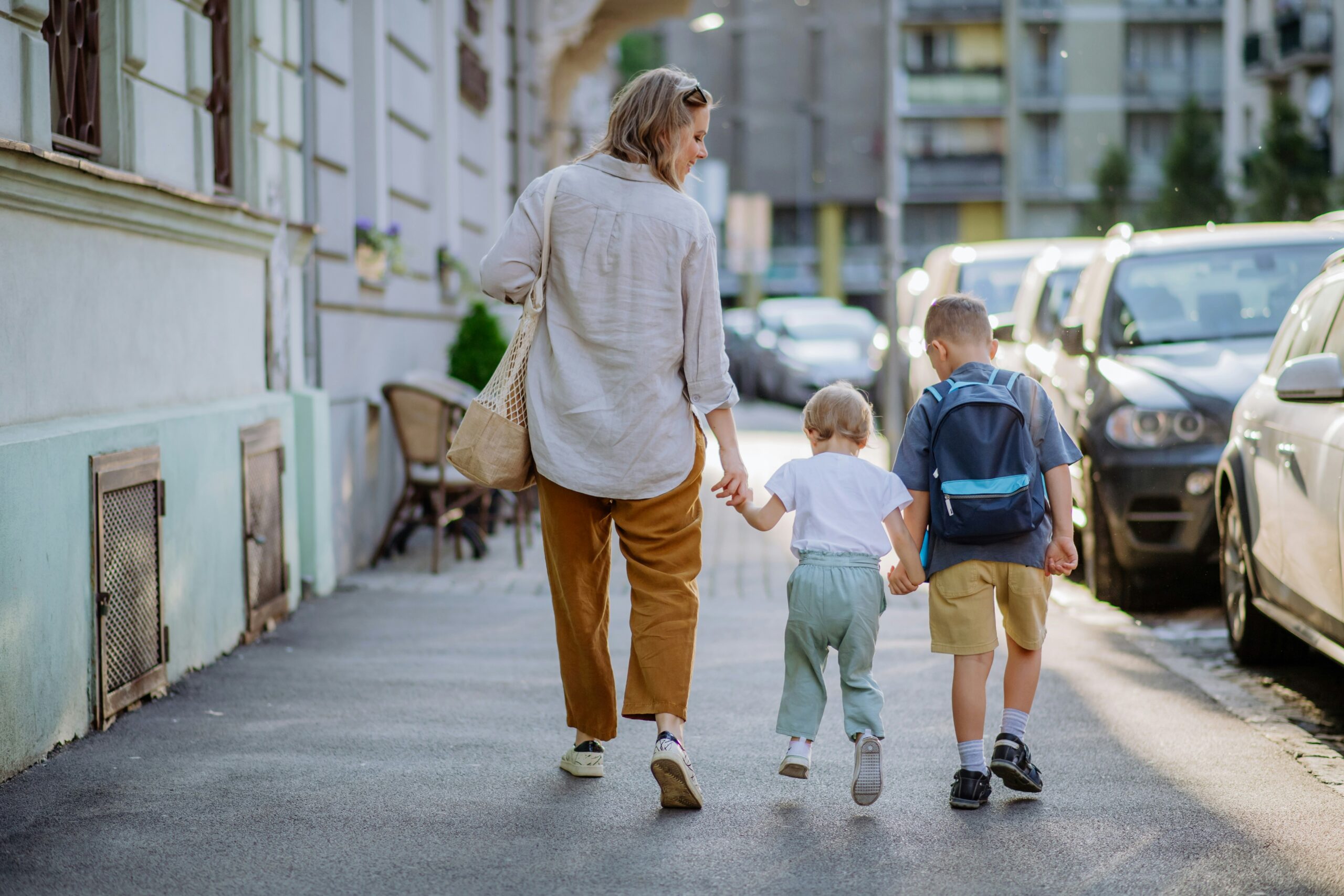
The Quiet Resilience of Academic Families often remains invisible to the outside world. People usually notice the public side of academic life, including research, teaching, conferences, and publications. However, behind every successful academic journey stands a family adapting to constant change. Spouses, children, and loved ones quietly support each transition while building stability in unfamiliar places. Their emotional strength allows academic professionals to continue moving forward despite demanding schedules and international responsibilities.
Academic life rarely stays in one location for long. Scholars frequently relocate between universities, countries, and research institutions. As a result, families learn how to rebuild routines again and again. They adjust to new cultures, different school systems, and changing social environments. Although these experiences can foster growth and opportunity, they also require patience, sacrifice, and resilience that are often overlooked. The ability to maintain family unity during continuous movement reflects the true strength of academic households.
Academic Mobility Shapes Family Life
The reality of academic mobility reaches far beyond university offices and classrooms. Every relocation affects daily routines, friendships, language development, and emotional stability within the home. Children especially experience the impact of these changes because they must repeatedly enter unfamiliar schools and communities. Even when they adapt quickly, each transition demands emotional energy and courage that many adults underestimate.
At the same time, mobility can create extraordinary opportunities for growth. Children who grow up in international academic families often develop broader cultural understanding and stronger communication skills. They learn how to navigate diversity with confidence while becoming comfortable in different social environments. These experiences shape their worldview early in life, allowing them to develop empathy, flexibility, and maturity that continue benefiting them throughout adulthood.
The Emotional Strength of Multilingual Families
For many academic parents, language carries deep emotional and cultural importance. Raising multilingual children requires constant effort because language development depends on regular interaction and meaningful exposure. Families living abroad must actively preserve the languages connected to both parents while also supporting the language of the country where they currently live. This balance often shapes family decisions regarding travel, education, and daily communication.
The process may appear natural from the outside, yet it involves careful planning and dedication. Parents must create opportunities for children to practice each language through conversation, reading, travel, and relationships with extended family members. Consequently, summer visits and international stays become more than vacations. They transform into valuable experiences that strengthen cultural identity, maintain family bonds, and support long-term language development across generations.
Children Carry Silent Strength
Children in academic families demonstrate remarkable resilience even when they do not fully understand the complexity of their experiences. They learn how to enter classrooms where everything feels unfamiliar. They navigate new friendships while adapting to different teaching styles and social expectations. Although adults may focus on logistical challenges, children quietly process emotional transitions that require significant inner strength.
Yet many children approach these changes with surprising optimism. Their willingness to embrace new environments often inspires the adults around them. A child’s excited request to enter a new classroom reflects trust, curiosity, and confidence despite uncertainty. These moments may seem small, but they reveal how children gradually develop resilience through lived experience. Over time, these repeated transitions shape young people who understand adaptability better than many adults ever will.
Schools Play a Critical Role in Support
Educational institutions hold enormous influence over the well-being of international academic families. When schools welcome children with openness and flexibility, they help ease the emotional pressure connected to relocation. Supportive teachers and administrators create environments where children feel safe enough to learn, connect, and grow despite ongoing transitions between countries and educational systems.
This support becomes even more important when families balance multiple national education models simultaneously. Children who move between American and European school systems often encounter different academic expectations, teaching methods, and cultural norms. Schools that recognize these challenges can provide stability during periods of change. Their understanding helps children adapt more smoothly while continuing to build confidence in both academic and social settings.
The Importance of Human Connection in Academia
Academic life often emphasizes intellectual achievement. Universities celebrate research output, institutional rankings, and professional recognition. However, the human side of academia deserves equal attention because no academic career develops in isolation. Behind every conference presentation or published paper stands a network of personal relationships supporting that journey through emotional care and sacrifice.
Families contribute quietly to academic success every day. Partners manage uncertainty during relocations and career transitions. Children accept disrupted routines as they adjust to new cultures and schools. Extended family members maintain emotional connections across long distances. These contributions rarely appear on professional résumés, yet they remain essential to sustaining long-term academic careers. Recognizing this reality brings greater humanity into conversations about higher education and professional achievement.
Academic Parenting Requires Balance
Parents working in academia constantly balance professional responsibilities with family needs. Teaching schedules, research deadlines, and international commitments often compete with school enrollment, emotional support, and parenting responsibilities. This balancing act becomes even more complex when families move frequently between countries or educational systems.
Despite these challenges, many academic parents remain deeply committed to creating meaningful experiences for their children. They understand that exposure to multiple cultures can enrich personal growth and broaden future opportunities. At the same time, they recognize the emotional effort required to maintain stability during continuous change. Successful academic parenting, therefore, involves both professional dedication and emotional awareness within family life.
International Experiences Build Long-Term Resilience
Living across cultures shapes children and parents in lasting ways. Families who experience international academic life often develop stronger adaptability and a deeper appreciation for diversity. They learn how to communicate across cultural differences while building confidence in unfamiliar environments. These skills become valuable not only within education but also throughout personal and professional life.
Additionally, international experiences strengthen emotional resilience by teaching families how to face uncertainty together. Each transition becomes an opportunity to build trust, flexibility, and emotional endurance. Although the process may sometimes feel exhausting, many families later recognize how these experiences shaped their identity and strengthened their relationships. Over time, resilience grows not from avoiding difficulty but from learning how to move through it together.
The Hidden Side of Academic Success
Public discussions about academia rarely mention the emotional realities behind professional achievements. People often celebrate awards, appointments, and publications without considering the personal sacrifices supporting those accomplishments. Yet academic careers frequently require families to leave familiar environments, maintain long-distance relationships, and rebuild support systems repeatedly.
This hidden side of academia deserves greater recognition because it reflects the true complexity of academic life. Success in higher education does not emerge solely from intellectual effort. It also depends on emotional support, family cooperation, and personal resilience. Recognizing these contributions creates a more honest understanding of what academic achievement truly involves behind the scenes.