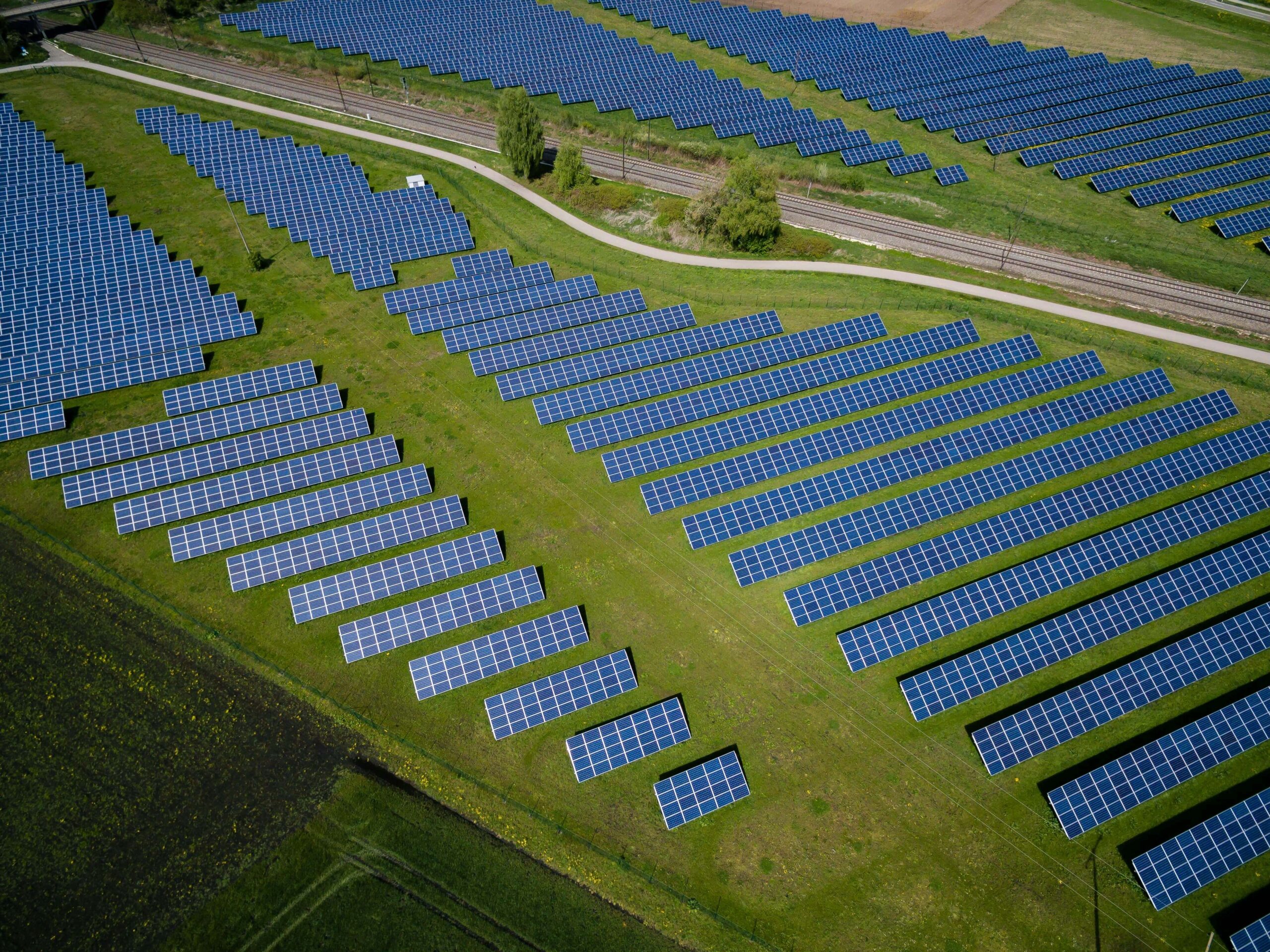
The global energy sector is undergoing a major transformation as countries seek cleaner, more reliable, and sustainable power sources. Renewable energy technologies, including solar, wind, hydropower, and geothermal energy, are becoming essential to meeting growing electricity demands while reducing environmental damage. However, expanding renewable energy requires more than advanced technology and financial investment. It also depends on strong legal frameworks that guide development, encourage innovation, protect consumers, and maintain a stable energy supply.
Energy law plays an important role in supporting this transition. It establishes the rules, policies, and regulations needed to promote renewable energy projects while protecting national energy interests. By creating clear legal standards and encouraging responsible investment, energy law helps strengthen energy security and build a more sustainable future.
Understanding the Connection Between Energy Law and Renewable Energy
Energy law refers to the legal rules and regulations governing the production, distribution, consumption, and management of energy resources. It covers traditional energy sources and renewable technologies. These laws help governments manage energy markets, protect public interests, and establish guidelines for companies involved in energy development.
In the renewable energy sector, legal frameworks create opportunities for investment and technological progress. They establish licensing procedures, environmental requirements, grid connection standards, and financial incentives. Clear regulations also reduce uncertainty for businesses and investors, making renewable energy projects more attractive.
Without effective energy legislation, renewable development may face delays, legal disputes, and financial challenges. A well-designed legal system provides the foundation for organized growth and ensures that renewable energy projects operate responsibly.
Encouraging Investment Through Strong Legal Frameworks
Investment is essential for expanding renewable energy infrastructure. Solar farms, wind installations, battery storage facilities, and modern electricity networks require significant financial resources. Energy laws can encourage private and international investment by providing stable policies and predictable regulatory conditions.
Governments can introduce tax benefits, renewable energy incentives, feed-in tariffs, and competitive bidding programs to support clean energy development. These policies reduce financial risks and encourage companies to invest in long-term projects.
Legal protections for investors are equally important. Transparent contracts, fair licensing procedures, and reliable dispute-resolution mechanisms help build confidence in the renewable energy market. When investors understand their rights and responsibilities, they are more likely to support innovative energy solutions.
Strengthening Energy Security Through Renewable Resources
Energy security means having access to reliable, affordable, and sufficient energy supplies. Dependence on imported fossil fuels can expose countries to international price fluctuations, supply disruptions, and political uncertainty. Renewable energy offers an opportunity to reduce these risks by developing domestic energy resources.
Energy laws support this goal by establishing national renewable energy targets, encouraging local electricity generation, and promoting diverse energy sources. Policies that support solar, wind, and hydropower can reduce dependence on external fuel suppliers.
Legal regulations also help ensure that renewable energy projects contribute to a stable electricity supply. Governments can establish requirements for energy storage, grid modernization, and emergency planning. These measures improve electricity systems’ ability to manage changing demand and unexpected disruptions.
Supporting Innovation and Modern Energy Technologies
Technological innovation is essential for making renewable energy more efficient, affordable, and accessible. Advances in battery storage, smart grids, electric vehicles, and green hydrogen are creating new opportunities for the energy industry.
Energy legislation can accelerate these developments by supporting research, protecting intellectual property, and establishing standards for emerging technologies. Regulatory frameworks can also encourage cooperation between governments, universities, research institutions, and private companies.
Modern energy laws should remain flexible enough to accommodate technological progress. Regulations that adapt to changing market conditions can prevent unnecessary barriers and let promising solutions reach consumers faster.
Protecting the Environment and Public Interests
Renewable energy development must balance economic growth with environmental protection and community welfare. Although clean energy technologies generally produce fewer emissions than fossil fuels, large-scale projects can still affect wildlife, land use, water resources, and local communities.
Environmental laws help ensure that renewable projects undergo appropriate assessments before construction begins. These requirements identify potential risks and encourage developers to adopt responsible practices.
Energy regulations can also protect consumers by promoting fair electricity pricing, transparent billing, and reliable service. Community consultation and public participation help residents understand proposed developments and voice their concerns. This approach strengthens public trust and supports long-term project success.
Addressing Legal Challenges in the Renewable Energy Transition
Despite growing opportunities, renewable energy development faces several legal and regulatory challenges. Complicated approval procedures, inconsistent policies, outdated electricity regulations, and land ownership disputes can slow project implementation.
Another important challenge involves integrating renewable electricity into existing power grids. Traditional electricity systems were often designed around centralized power generation, while renewable sources may produce electricity in different locations and at changing levels. Updated grid regulations are necessary to support this transition.
Governments must also strengthen cross-border energy cooperation, establish consistent technical standards, and create effective mechanisms to resolve regulatory disputes. International collaboration can help countries share expertise, attract investment, and develop more resilient energy networks.
Building a Sustainable and Energy-Secure Future
Energy law is a powerful instrument for advancing renewable energy solutions and strengthening long-term energy security. Through effective regulations, investment protection, environmental safeguards, and technological support, legal frameworks can create the conditions for a cleaner, more reliable energy system.
As energy demand continues to rise, governments and industry leaders must modernize existing policies and address emerging legal challenges. Strong cooperation between public institutions, private investors, and local communities will also be essential.
A forward-looking legal framework can transform renewable energy from an alternative source into a central part of national energy planning. By supporting innovation, encouraging responsible investment, and protecting public interests, energy law can help create a more independent, affordable, and sustainable energy future.