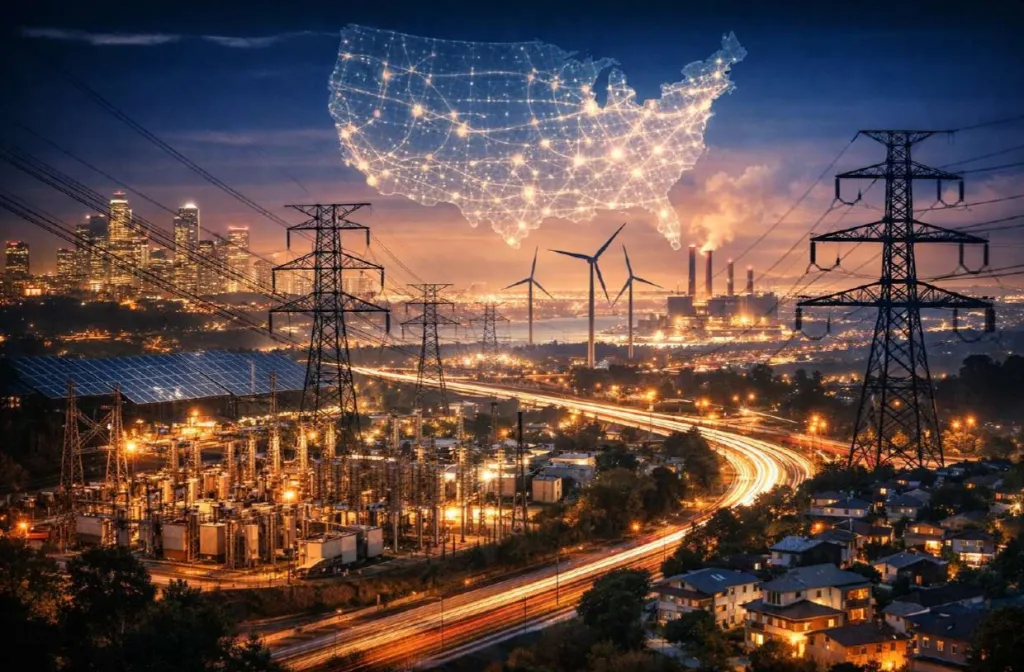
Energy policy is often discussed in the language of innovation, infrastructure expansion, and market reform. Yet beneath these visible transitions lies a deeper reality: energy systems are fundamentally legal constructions. They are shaped not only by engineering or economics, but by regulatory frameworks, institutional authority, and carefully structured market rules.
Read original post:
This reflection on Energy Policy examines how law operates as the architecture behind infrastructure. Power generation, grid governance, investment incentives, and market participation are not neutral or purely technical arrangements. They are the result of deliberate legal choices that allocate authority, distribute benefits, and assign risk. Through classroom engagement and student research, the course highlights how energy transitions depend on institutional capacity and regulatory coherence.
A central theme of the discussion is that infrastructure governance is inseparable from questions of justice. Decisions about permitting, financing, pricing mechanisms, and regulatory oversight shape who bears the costs of transition and who benefits from innovation. Law, therefore, becomes the medium through which policy ambition is translated into institutional design.
By treating Energy Policy not as a narrow regulatory field but as a framework of systemic governance, the course encourages students to see how legal rules stabilize expectations across public and private actors. Markets require legal certainty. Investment requires an enforceable structure. Sustainability requires institutional durability. In this sense, law does not merely regulate energy systems after they are built—it constitutes them from the outset.
Understanding energy governance as legal architecture reveals how deeply law shapes the resilience of infrastructure under economic, technological, and environmental pressure.
If you would like to explore how legal authority shifts from infrastructure into digital systems and technological governance, continue with the next reflection in this series: