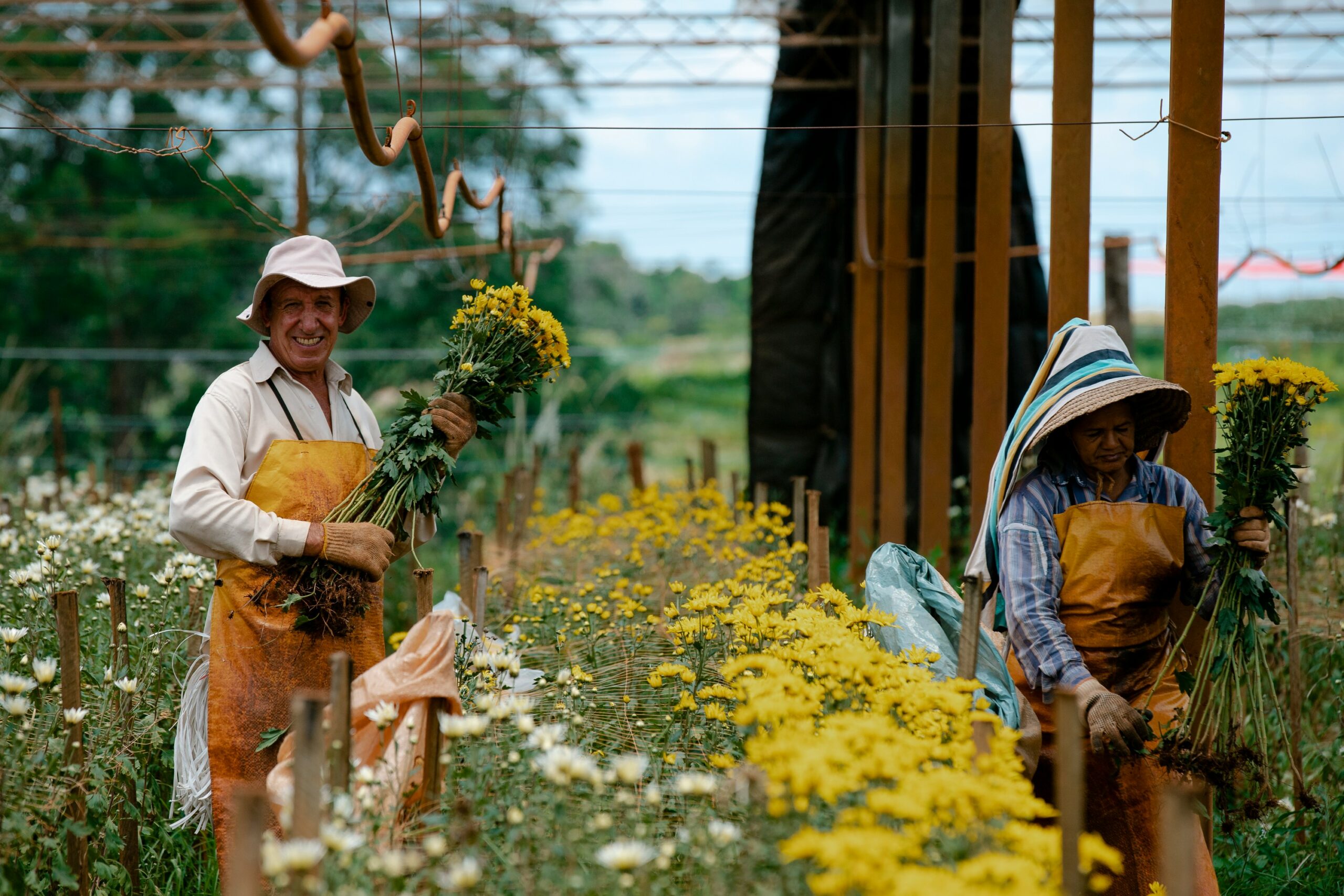
The Sustainable Development Goals, or SDGs, aim to create a better world. They include goals like ending poverty, improving education, and protecting the planet. Global leaders designed these goals, but they will succeed only if people bring them to life in local communities.
The power to make change often lies close to home. Local action is what turns these global ideas into something people can see, feel, and experience. When communities take part, the SDGs stop being a list of goals and start becoming real progress.
Communities Understand What Matters Most
Every place has its own challenges and strengths. A town dealing with drought won’t have the same needs as a crowded city. Local people understand what problems they face every day. They also know what solutions might work best in their neighborhoods.
When communities lead the way, the changes are more likely to last. People are more willing to support projects that reflect local values and address local problems. This kind of action builds trust and makes change feel personal, not just political.
Local Leaders Help Turn Vision Into Action
Mayors, city officials, and neighborhood leaders can play a significant role in advancing the SDGs. They help create plans that align with their community’s goals and needs. Their job is to listen and respond quickly. They know how to work with limited budgets and make small changes that matter.
When leaders support clean parks, safer streets, and better schools, they put the SDGs into action. Their choices directly affect people’s lives. Good leadership can inspire communities to join the effort and sustain the momentum.
People Feel the Impact Where They Live
The SDGs aim to end hunger and promote health. These benefits are most meaningful when people feel them close to home. A family with access to clean water or a child who can attend school will notice a significant difference in their daily lives.
Big changes may start with a small win. A town that plants more trees is not just helping the environment—it’s creating shade, improving air quality, and bringing people together. This kind of local impact makes the SDGs real and rewarding.
Schools and Students Drive Awareness
Education plays a huge role in building a better future. Schools are perfect places to teach students about the SDGs. When young people understand the goals, they can bring ideas home and start change from the ground up.
Students often develop innovative solutions. They may start a recycling program or create awareness about water use. These small efforts develop habits that last. By learning through action, students become leaders in shaping a fair and sustainable world.
Local Businesses Can Be Part of the Solution
Small businesses are part of the community. When they take steps to reduce waste or support local causes, they help advance the SDGs. A shop that offers discounts on reusable bags helps reduce plastic use. A local farmer who avoids harmful chemicals is protecting the land.
These choices make a difference. They also show that success doesn’t have to come at the cost of the environment or people. When businesses thrive while doing good, they set an example for others to follow.
Listening Is the First Step Toward Progress
One of the best ways to start local change is to listen. People want to be heard, and their ideas often lead to better results. Leaders and organizations must ask what matters most and be open to learning from the community.
When people feel included, they become more involved. They start to take ownership of projects and help drive them forward. Listening shows respect and helps avoid mistakes that stem from misunderstanding a place’s real needs.
Local Innovation Brings Smart Solutions
Communities are full of creative people. They develop ideas that fit their own lives. In some places, people build low-cost water filters. In others, they grow gardens on rooftops. These ideas don’t always need high-tech tools or large budgets.
What matters most is that the solutions work. Local innovation is often practical and quick to implement. It’s about using what’s already available in smart ways. These small changes add up and inspire others to try their own ideas.
Local Data Helps Guide the Way
To know if progress is being made, communities need to track it. Local data helps show what’s working and what still needs attention. It can reveal gaps in services or highlight success in areas such as health or education.
When communities gather their own data, they gain power. They no longer have to wait for outside reports. They can make decisions based on facts and adjust plans when needed. This kind of knowledge is key to long-term success.
Everyone Has a Role to Play
The SDGs are not just for governments or large groups. They are for everyone. A parent teaching their child about kindness supports peace and equality. A group cleaning up a local river protects the environment. Each action may seem small, but together they create change.
People don’t need permission to make a difference. Change can start with a conversation, a shared meal, or a community event. When people believe their efforts matter, they become more active, more hopeful, and more connected.
Change Builds Momentum Over Time
Sustainable development is not a quick fix. It takes time, effort, and care. When communities keep working, even when results come slowly, they build something strong. Small wins lead to bigger goals.
Each tree planted, child educated, or job created moves the world one step closer to the vision set by the SDGs. With each step, people gain confidence. They see the results of their work, and they are inspired to keep going.
A Better Future Starts in Your Neighborhood
Global goals only matter if they touch real lives. The SDGs offer a path to a better, fairer, and more sustainable future. But that future won’t come from meetings or reports alone. It will come from people’s actions in their homes, on the streets, and in their communities.
By acting locally, we bring these goals to life. We take something big and make it personal. We build a future that’s not just better in theory, but better in the places we live and for the people we love.