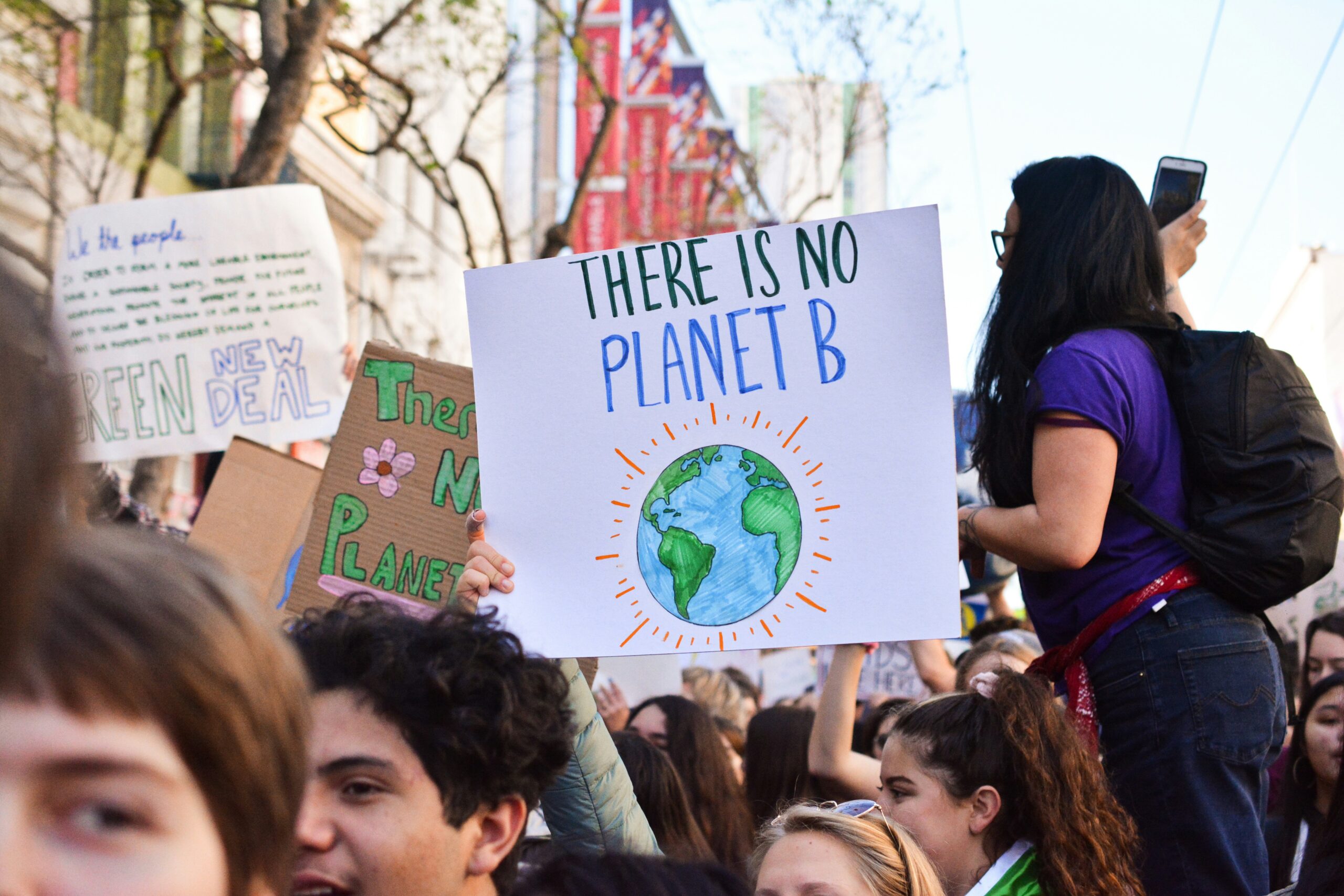
Environmental law plays a major role in protecting the world around us. From reducing pollution to protecting forests and wildlife, these laws help create a cleaner and healthier planet for everyone. As environmental challenges continue to grow, governments, businesses, and communities rely on environmental regulations to guide responsible actions and support sustainable development.
Today, climate change, air pollution, water contamination, and waste management problems affect millions of people worldwide. Because of these issues, environmental law has become more important than ever. Strong policies and legal systems help reduce environmental harm while encouraging industries and individuals to adopt sustainable habits. As a result, environmental law supports both public health and long-term environmental protection.
Understanding Environmental Law
Environmental law refers to the rules, regulations, and policies designed to protect natural resources and public health. These laws control activities that may damage the environment, including pollution, illegal waste disposal, and harmful industrial practices. Governments create environmental laws to make sure businesses and individuals follow safe environmental standards.
In many countries, environmental agencies monitor industries and enforce regulations. For example, factories may need permits before releasing emissions into the air or water. If companies violate these rules, they can face fines or legal action. Therefore, environmental law creates accountability and encourages responsible environmental behavior across many industries.
Why Environmental Protection Matters
A healthy environment supports human life, economic growth, and social stability. Clean air, safe water, fertile soil, and healthy ecosystems are all essential for communities to thrive. However, pollution and environmental damage can lead to serious health and economic problems if left unchecked.
Environmental protection also helps preserve resources for future generations. Forests, rivers, oceans, and wildlife provide valuable benefits that people depend on every day. By protecting these natural systems, environmental laws support sustainability and long-term environmental balance. In addition, healthier ecosystems often improve tourism, agriculture, and local economies.
The Role of Environmental Law in Pollution Control
Pollution remains one of the world’s biggest environmental challenges. Factories, vehicles, and industrial waste release harmful substances into the environment every day. Environmental laws help reduce these risks by setting standards for emissions, waste management, and industrial operations.
For example, many governments now require industries to use cleaner technologies and reduce harmful emissions. At the same time, waste disposal laws help prevent toxic materials from contaminating land and water supplies. As these regulations become stronger, communities benefit from cleaner air, safer water, and healthier living conditions.
Climate Change and Environmental Policy
Climate change has become a major focus of environmental law and policy. Rising global temperatures, stronger storms, and changing weather patterns continue to affect people and ecosystems worldwide. Because of this, governments are introducing policies to reduce greenhouse gas emissions and support renewable energy.
Many countries now encourage the use of solar power, wind energy, and electric transportation systems. In addition, carbon emission regulations push businesses to reduce their environmental impact. These climate-focused policies not only help the environment but also create new economic opportunities in the renewable energy and green technology industries.
Protecting Wildlife and Natural Habitats
Environmental law also plays an important role in protecting wildlife and natural habitats. Many species face threats from habitat destruction, pollution, and illegal hunting. Conservation laws help preserve forests, wetlands, oceans, and other ecosystems that support biodiversity.
Protected areas such as national parks and wildlife reserves allow ecosystems to recover and remain healthy. Furthermore, laws that regulate fishing, logging, and land development help prevent environmental destruction. By protecting biodiversity, environmental law helps maintain the natural balance that supports both wildlife and human communities.
Environmental Justice and Public Health
Environmental issues often affect low-income communities more severely than others. Areas with high pollution levels may experience more health problems, including respiratory diseases and water-related illnesses. Environmental justice policies aim to ensure that all communities receive equal protection from environmental harm.
Strong environmental laws improve public health by reducing exposure to toxic chemicals and pollutants. Cleaner air and water lead to healthier communities and lower healthcare costs over time. Additionally, environmental justice programs encourage fair treatment and equal access to safe living conditions for everyone.
Businesses and Sustainable Practices
Businesses have a major influence on environmental sustainability. Environmental laws encourage companies to reduce waste, improve energy efficiency, and adopt cleaner production methods. Today, many businesses recognize that sustainable practices can enhance their reputations and strengthen customer trust.
Many companies now invest in recycling programs, renewable energy systems, and environmentally friendly products. At the same time, consumers increasingly support brands that care about sustainability and environmental responsibility. As a result, environmental law continues to shape business strategies and encourage long-term sustainable growth.
Renewable Energy and Green Innovation
Renewable energy has become one of the most important solutions for reducing environmental damage. Environmental policies often support clean energy projects through tax incentives, grants, and public investments. Solar panels, wind farms, and electric vehicles are now more common because governments continue to encourage green innovation.
Green technology also creates new jobs and economic opportunities. Engineers, researchers, and manufacturers all play a role in developing sustainable solutions for the future. Furthermore, renewable energy reduces dependence on fossil fuels and helps lower harmful emissions that contribute to climate change.
Challenges Facing Environmental Law
Although environmental law has achieved significant progress, many challenges remain. Some industries resist environmental regulations because they worry about higher costs and reduced profits. In some regions, weak enforcement also makes it difficult to hold polluters accountable.
Climate change creates additional pressure on environmental systems worldwide. Governments must continue updating policies and investing in environmental solutions to address changing environmental conditions. At the same time, international cooperation remains important because environmental issues often cross national borders.